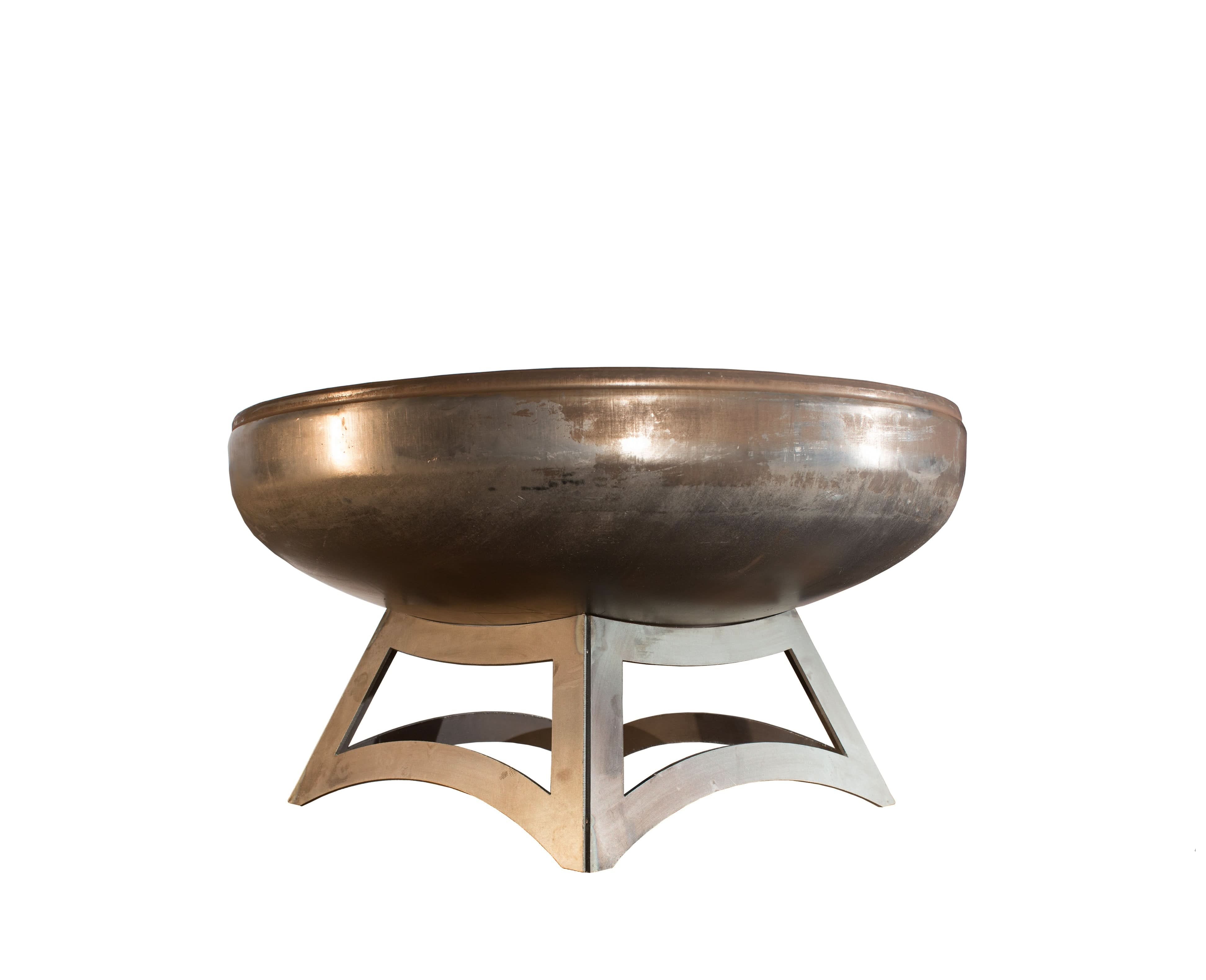
Once you have invested in a high-quality outdoor cooking setup, it is important to know how to maintain it properly. Good maintenance not only extends the life of your equipment but also ensures that your food always tastes its best. A little bit of care goes a long way in protecting your investment from the elements.
Outdoor equipment is subjected to extreme temperatures and fluctuating weather conditions. Rain, snow, and humidity can all take a toll on metal surfaces if they are not protected. By following a simple maintenance routine, you can keep your backyard centerpiece looking brand new for many years of enjoyment.
Protecting Your Firepit Investment
The first step in caring for your firepit is to keep it dry. When not in use, a high-quality, weather-resistant cover is essential. This prevents water from pooling in the bottom, which can lead to rust and corrosion over time. Even the most durable steel will benefit from being kept away from moisture.
Regularly removing ash is also crucial. Ash can absorb moisture from the air, creating an acidic paste that eats away at the metal. Wait until the embers are completely cold, then scoop out the ash and dispose of it safely. This also ensures better airflow for your next fire, making it easier to light and maintain.
Cleaning the Cooking Surfaces
If your unit has a cooking grate, it should be cleaned after every use. While the grates are still slightly warm, use a stiff brush to remove any stuck-on food. For a deeper clean, you can use warm soapy water, but make sure to dry the metal thoroughly and apply a light coat of oil to prevent rust.
Avoid using harsh chemicals or abrasive cleaners on the exterior of your pit, as these can damage the finish. A simple wipe-down with a damp cloth is usually enough to keep it looking great. If you notice any small spots of rust, you can lightly sand them and apply a high-heat touch-up paint to seal the metal.
Storing Fuel Properly
Keeping your firewood dry is just as important as protecting the pit itself. Wet wood is difficult to light, produces excessive smoke, and doesn't provide the high heat needed for cooking. Store your logs in a covered rack that is elevated off the ground to prevent rot and insect infestations.
Seasonal Deep Cleaning
At the beginning and end of each season, it’s a good idea to perform a more thorough inspection. Check for any loose bolts or signs of wear in the structural components. Tightening a few screws now can prevent larger problems later on. This is also a good time to give the entire unit a thorough washing and a fresh coat of oil or protectant.
If you live in a climate with very harsh winters, you may want to consider moving smaller, portable units into a garage or shed. For larger, permanent fixtures, ensure they are properly winterized and covered securely. Taking these extra steps will ensure that your equipment is ready to go as soon as the first warm day of spring arrives.
Optimizing Performance with BBQGrills
In addition to your fire source, your bbqgrills require regular attention to perform at their peak. Check the burners (if applicable) and the airflow vents for any obstructions. Spiders and other insects often build nests in these small spaces, which can lead to uneven heating or dangerous clogs.
Properly seasoning your grates is one of the best things you can do for your cooking. Just like a cast-iron skillet, a well-seasoned grate creates a natural non-stick surface and protects the metal from the elements. Simply rub a high-smoke-point oil on the clean grates and heat them up for about 30 minutes.
- Heavy-duty covers for all-weather protection
- Stainless steel cleaners for a polished look
- High-temperature paint for touch-ups
- Sturdy brushes for effective grate cleaning
- Quality oils for seasoning and protection
- Allow the unit to cool completely before cleaning
- Remove all ash and debris from the base
- Scrub the grates with a wire brush or scraper
- Wipe down the exterior with a mild detergent
- Apply a protective cover once the unit is dry
Troubleshooting Common Issues
If you find that your fire is difficult to start or produces too much smoke, check your airflow. Ensure that the vents are open and that there isn't a build-up of ash blocking the intake. Also, make sure your wood is seasoned and dry. Green wood contains too much moisture and will always result in a smoky, low-heat fire.
If your grill is heating unevenly, it may be time to deep clean the interior. Grease build-up can insulate certain areas and cause hotspots. A thorough scraping of the inner walls and the bottom of the firebox can often resolve these issues and restore your equipment to its original performance levels.
Conclusion
A little bit of regular maintenance goes a long way in ensuring that your outdoor cooking equipment remains a source of joy for your family. By protecting your gear from the elements and keeping it clean, you ensure better tasting food and a safer cooking environment. Whether you are tending to a simple fire or a complex grilling system, the effort you put in will be rewarded with years of delicious meals and great memories. Take pride in your tools, and they will take care of you.